Mezzanine Flooring: A Complete Guide to Optimizing Industrial, Commercial, and Warehouse Space
Mezzanine flooring has become one of the most efficient, cost-effective ways for businesses to increase usable space without relocating or expanding buildings.
What is Mezzanine Flooring and Why Is It Important?
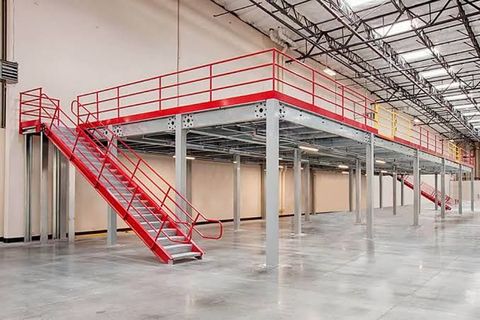
A mezzanine floor is an intermediate level built between a building’s main floors, designed to increase vertical space usage. It transforms unused height into functional areas for storage, operations, or office space. Businesses often choose high-load capacity mezzanine floors for industrial storage, steel mezzanine platforms for warehouses and logistics centers, and affordable modular mezzanine floors for commercial spaces to maximize productivity without structural expansion.
Types of Mezzanine Flooring for Industrial, Commercial, and Retail Use
1. Industrial Mezzanine Floors
Designed for heavy-duty operations, these floors use structural steel mezzanine floor framing to support machinery, pallet racks, conveyor systems, and high-density storage. They offer long-term durability and exceptional load-bearing strength.
2. Warehouse Storage Mezzanines
A warehouse storage mezzanine effectively doubles storage space in distribution centers. Most warehouse operators prefer these systems because they support palletized goods, shelving units, picking operations, and equipment movement.
3. Structural Steel Mezzanine Floors
A structural steel mezzanine floor provides maximum strength and flexibility. It uses I-beams, H-beams, or cold-rolled steel sections to support higher loads, making it ideal for industrial zones and logistics centers.
4. Modular & Prefabricated Mezzanine Floors
Prefabricated mezzanine floors with easy installation are popular in commercial environments such as offices, retail stores, and light industrial spaces because they install fast and can be reconfigured as needed.
5. Multi-Tier Mezzanine Flooring Systems
Multi-tier mezzanine flooring is used in large warehouses with high ceilings, offering two or more additional levels for automated storage systems, inventory management, or catwalks.
6. Custom-Designed Mezzanine Flooring Systems
When standard solutions are not enough, businesses opt for custom-designed mezzanine flooring systems for businesses tailored to equipment layout, workflow, or operations such as packaging, order processing, or assembly.
Key Features of Modern Mezzanine Floors
Modern mezzanine flooring systems include advanced features meant to enhance operational efficiency:
- Strong load-bearing structural steel frames
- Anti-slip industrial-grade decking materials
- Fire-rated components and safety railings
- Easy expansion options due to modular design
- Compatibility with conveyors, racking, and material handling systems
- Flexible column spacing to maximize ground-level workflow
- Reinforced beams for high-load capacity mezzanine floors for industrial storage
Benefits of Mezzanine Flooring
Businesses choose mezzanine floors for several compelling advantages:
- Doubles storage space without building expansion
- Cost-effective alternative to relocation
- Customizable layouts for multiple business operations
- Fast installation time thanks to prefabricated components
- Ideal for warehouses, factories, retail showrooms, and offices
- Supports heavy loads with industrial-grade steel construction
- Enhances workflow, organization, and operational safety
Applications of Mezzanine Floors Across Industries
- Warehouses and Distribution Centers: For storing palletized goods, creating picking areas, supporting conveyors, and expanding vertical racking systems.
- Manufacturing Plants: Industrial firms rely on industrial mezzanine floors to support assembly lines, tool storage, manufacturing cells, and quality-control stations.
- Retail Showrooms and Commercial Offices: In retail, mezzanine construction for retail showrooms and offices allows businesses to create display sections, meeting rooms, or administrative areas within the existing footprint.
- Logistics and Packaging Facilities: Steel mezzanine platforms for warehouses and logistics centers support sorting, packing, scanning, and automated systems.
- Cold Storage and Food Processing: Multi-tier systems support lightweight storage, lightweight conveyors, and processing activities.
How Mezzanine Floors Are Built: Construction Types and Materials
1. Structural Steel Framework
The backbone of most mezzanine systems, offering durability and excellent load capacity.
2. Decking Material Options
- Steel grating (for airflow and fire safety)
- Concrete-over-steel decking (for maximum durability)
- Resin-coated or anti-slip boards
- Timber or plywood (mainly for commercial spaces)
3. Support Columns and Beams
Column spacing is determined by floor load and building layout. Optimized spacing ensures stable performance and safe movement underneath.
4. Modular Construction Techniques
Modular mezzanine systems minimize installation time and allow for future expansions or reconfiguration.
How to Choose the Best Mezzanine Floor System
When selecting best mezzanine floor solutions for warehouses and factories, consider:
- Intended use: storage, production, office, or retail
- Load requirements: heavy-duty or light-duty
- Space availability: height, footprint, and layout
- Regulatory compliance: fire safety and building codes
- Budget: affordable modular mezzanine floors for commercial spaces
- Future scalability: multi-tier or expandable frameworks
- Installation complexity and time
Working with professional mezzanine floor installers for commercial and industrial buildings ensures correct planning, structural calculations, and long-term safety.
High-Load Capacity & Safety Standards
For facilities with heavy equipment or palletized goods, high-load capacity mezzanine floors for industrial storage are essential. These designs incorporate:
- Reinforced steel beams
- Heavy-duty columns
- Anti-slip flooring
- Safety gates for forklifts
- Edge protection railings
- Fire exits and emergency lighting
This ensures maximum stability and compliance with industrial safety codes.
Mezzanine Flooring Costs: What Businesses Can Expect
The cost of a mezzanine system depends on load capacity, size, customization, and material choice.
Typical pricing ranges include:
- Basic modular mezzanine floors: $35 – $60 per sq. ft.
- Structural steel mezzanine floors: $60 – $120 per sq. ft.
- Multi-tier mezzanine flooring: $120 – $200+ per sq. ft.
- Custom-designed mezzanine flooring systems: cost varies widely based on design
- Additional expenses may include decking upgrades, staircases, fireproof coatings, safety railings, and installation labor.
Mezzanine Floor Installation: What to Expect
Professional installers ensure:
- Structural analysis and load calculations
- Compliance with building codes
- Proper positioning of beams and columns
- Safety integration (guardrails, stairs, gates)
- Efficient installation with minimal business disruption
Specialized mezzanine floor installers for commercial and industrial buildings handle design, fabrication, and turnkey implementation.
Leading Global Providers of Mezzanine Flooring Systems
1. MiTek
MiTek is one of the most recognized global manufacturers of structural steel mezzanine systems, providing engineered solutions for warehouses, factories, and commercial facilities. Their mezzanine platforms are widely used in large distribution centers, offering excellent durability and design flexibility. MiTek specializes in modular systems that integrate seamlessly with conveyors, racking, and automation technologies, making them ideal for high-growth operations. The company also provides full engineering support, site evaluation, and certified installation, ensuring each system meets strict safety and compliance standards. Their experience in handling complex industrial layouts makes them a preferred supplier for large-scale multi-tier mezzanine flooring projects.
2. Dexion
Dexion is a leading European provider of mezzanine solutions known for its high-quality warehouse storage mezzanines and structural steel flooring systems. The company designs mezzanines that maximize vertical warehouse space, enabling businesses to double or triple their storage capacity without expanding their facilities. Dexion’s solutions are widely used in logistics hubs, manufacturing centers, and automotive parts warehouses. They offer both modular and customized mezzanine configurations, allowing flexibility based on load requirements and workflow needs. Their global presence and strong engineering background ensure that every installation meets European safety standards and long-term operational requirements.
3. SSI Schaefer (Global)
SSI Schaefer is one of the world’s top providers of intralogistics, storage systems, and advanced steel mezzanine platforms. Their mezzanine flooring systems are commonly integrated with AS/RS automation, conveyors, and high-density storage solutions, making them a top choice for large logistics centers and e-commerce distribution hubs. SSI Schaefer focuses on precision engineering and data-driven design, ensuring each mezzanine enhances workflow efficiency and warehouse organization. Their global installations include multi-tier mezzanine systems capable of supporting robotics, automated picking, and large-volume material flow. With decades of experience and a strong international footprint, they deliver turnkey mezzanine projects for businesses of all sizes.
Conclusion
From logistics centers to retail spaces and manufacturing plants, mezzanine flooring offers an efficient, affordable, and scalable solution for increasing usable space. Whether you need a warehouse storage mezzanine, a custom-designed mezzanine flooring system for businesses, or a high-load capacity mezzanine floor for industrial storage, modern steel and modular systems allow businesses to expand upward, cut costs, and improve efficiency. With proper planning and experienced installation teams, mezzanine floors remain one of the most practical investments for fast-growing operations.

Related Post...
Mezzanine Flooring: A Complete Guide to Optimizing Industrial, Commercial, and Warehouse Space
Updated: October 12, 2026
Read More
Industrial Operator Training Simulators: Key Facts About Simulation and Operator Learning
Updated: September 15, 2026
Read More
Modular Cleanroom Panels: Insights Into Panel Materials and Cleanroom Design
Updated: September 22, 2026
Read More