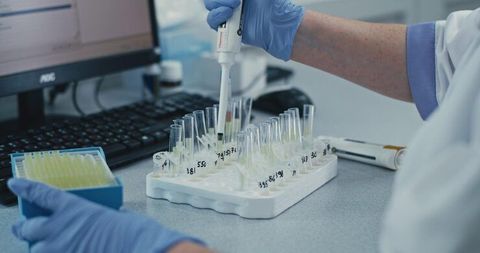
Single Use Sampling Systems: Insights Into Designs, Applications and Sampling Methods
Single use sampling systems are disposable or limited-use devices designed to collect representative samples from liquids, gases, powders, or biological materials without requiring repeated cleaning and reuse of the sampling equipment.
They are widely used in pharmaceutical manufacturing, biotechnology, food processing, chemical production, and laboratory environments. Their design focuses on controlled sample collection, contamination management, and compatibility with modern process workflows.
Context
What Are Single Use Sampling Systems?
Single use sampling systems are sampling assemblies intended for one production campaign, one batch, or a defined period of use before disposal. They can include sampling bags, tubes, valves, connectors, filters, needles, syringes, bottles, and other components assembled for a particular sampling application.
Traditional sampling equipment may require cleaning, sterilization, inspection, and preparation before it is used again. Single use designs reduce the need for repeated equipment handling by using components that are prepared for a defined sampling task.
These systems are particularly common where contamination control is important. In biotechnology and pharmaceutical processing, even small amounts of unwanted material can affect a batch or interfere with laboratory analysis.
How Did Single Use Sampling Develop?
Single use technology grew alongside advances in disposable manufacturing components, polymer materials, sterile packaging, and bioprocessing. Early applications focused on simple laboratory containers and disposable instruments, while modern systems can include integrated sampling assemblies designed for connection to processing equipment.
The growth of single use bioprocessing has also increased interest in sampling methods that can operate with closed or controlled process connections. This approach can reduce unnecessary exposure of process material to the surrounding environment.
How Do Single Use Sampling Systems Work?
A typical system creates a controlled path between the process stream and the sample container. Depending on the application, the sample may be collected manually or through an integrated valve, tube, membrane, or closed sampling assembly.
A general sampling sequence includes:
- Connection: The sampling device is connected to the process equipment or sampling point.
- Preparation: The sampling path is checked according to the applicable procedure.
- Collection: A defined amount of material enters the sample container.
- Isolation: The sample is separated from the process stream.
- Transfer: The collected material is moved to a laboratory or testing location.
- Disposal: Components intended for single use are discarded according to applicable waste procedures.
The exact sequence varies according to the material, process design, required sample volume, and contamination-control requirements.
Common Types
Single use sampling systems can be configured in several ways.
| System type | Typical application | Main characteristic |
|---|---|---|
| Bag sampling system | Liquids and bioprocess materials | Flexible sample container |
| Bottle sampling system | Liquids and laboratory samples | Rigid collection container |
| Closed sampling assembly | Controlled process environments | Reduced exposure during collection |
| Tube-based sampler | Liquids and process streams | Flexible connection path |
| Sterile sampling system | Sensitive biological processes | Controlled microbial environment |
| Powder sampling system | Powders and dry materials | Designed for particulate material |
| Gas sampling system | Process gases | Controlled gas collection |
The choice depends on the physical properties of the material and the analytical procedure that follows.
Importance
Why Single Use Sampling Systems Matter
Sampling provides information about what is happening inside a manufacturing or processing operation. Tests may examine concentration, pH, moisture, microbial characteristics, particle content, chemical composition, or other properties.
A sampling method needs to collect material that reasonably represents the process stream. If contamination occurs during collection, the test result may not accurately describe the original material.
Single use sampling systems are therefore relevant in environments where sample integrity and contamination control are important.
Applications Across Industries
In pharmaceutical and biotechnology facilities, single use sampling systems can be integrated into bioreactors, mixing vessels, filtration assemblies, and other process equipment. They may be used during different production stages to collect material for laboratory analysis.
In food processing, sampling equipment can be used to collect liquid or powdered materials for quality testing. Chemical manufacturers may also use controlled sampling assemblies for process monitoring.
Common applications include:
- Raw material examination
- In-process testing
- Batch monitoring
- Microbiological analysis
- Chemical composition testing
- Final product assessment
- Environmental monitoring
Contamination Control
One important reason for using single use components is to reduce the number of cleaning and reuse steps associated with conventional sampling equipment. Every reusable component that contacts a process material may require an appropriate cleaning and preparation procedure before another use.
Single use components can simplify the physical workflow because the sampling path is not repeatedly returned to production use. However, correct handling, packaging integrity, storage, installation, and disposal remain important.
Sample Integrity
Sample integrity depends on more than the sampling container. Factors such as collection technique, sample volume, temperature, transport conditions, container material, and time between collection and analysis can influence the result.
A suitable sampling system should therefore be considered as part of the entire sampling procedure rather than as an isolated component.
Recent Updates
Greater Use in Bioprocessing
The continued expansion of single use manufacturing platforms has increased the use of compatible sampling systems. Modern bioprocess facilities may integrate disposable bags, tubing, connectors, filters, and sampling assemblies into connected process arrangements.
This can reduce the number of reusable components that contact process material and can support flexible facility layouts.
Closed Sampling Approaches
A major development area is closed or contained sampling. Instead of opening a vessel or exposing the process material directly to the surrounding environment, a closed arrangement can transfer the sample through a defined pathway.
Such designs are particularly relevant to processes where environmental contamination needs to be controlled.
Improved Connector Designs
Advances in connectors, valves, tubing, and polymer components have expanded the range of single use sampling configurations. Designs may focus on reducing leakage, maintaining connection integrity, and making sampling steps easier to integrate into existing process equipment.
Connector selection also needs to consider chemical compatibility, pressure, temperature, and the required sterility conditions.
Digital Process Monitoring
Sampling systems increasingly operate alongside automated process monitoring. Sensors and analytical instruments can provide continuous information for some variables, while physical samples remain useful for laboratory tests that cannot be performed continuously.
This creates a combined approach in which online measurements and laboratory sample results can be evaluated together.
Sustainability Considerations
Single use systems generate solid waste because components are discarded after their intended use. As their adoption expands, manufacturers and facilities are examining material selection, packaging reduction, recycling possibilities, waste segregation, and overall environmental impact.
The environmental profile of a sampling approach depends on the complete lifecycle, including manufacturing, transportation, cleaning requirements, energy consumption, and disposal.
Laws or Policies
Indian Regulatory Framework
In India, sampling practices in pharmaceutical and biotechnology manufacturing can be influenced by requirements from the Central Drugs Standard Control Organisation, state drug authorities, and applicable quality standards.
Facilities involved in regulated manufacturing generally need documented procedures for sampling, testing, material handling, and quality control. The exact requirements depend on the type of product and manufacturing activity.
Good Manufacturing Practices
Good Manufacturing Practices provide a framework for controlling contamination, maintaining consistent production procedures, documenting activities, and protecting product quality.
India's pharmaceutical manufacturing framework includes requirements associated with Schedule M of the Drugs Rules. Internationally recognized frameworks such as WHO Good Manufacturing Practices and relevant United States or European requirements may also be referenced by organizations operating across multiple regulatory environments.
Sterility and Bioprocessing
For sterile or biologically sensitive processes, sampling systems may need to meet additional requirements relating to microbial contamination, sterilization, aseptic handling, and material compatibility.
Standards and guidance from organizations such as ISO, WHO, United States Pharmacopeia, and other recognized regulatory bodies can provide technical references. The applicable requirements depend on the product, process, facility, and jurisdiction.
Waste Management
Discarded single use sampling components must also be handled according to applicable waste-management requirements. Pharmaceutical, laboratory, chemical, and biological waste can fall under different regulatory categories.
In India, relevant frameworks can involve the Central Pollution Control Board, State Pollution Control Boards, and rules governing biomedical, hazardous, or solid waste, depending on the material being discarded.
Tools and Resources
Sampling Components
A complete single use sampling arrangement can contain several components selected for the intended application. Common items include:
- Sampling bags and bottles
- Tubing assemblies
- Valves and clamps
- Sterile connectors
- Filters
- Needles or sampling probes
- Transfer containers
- Labels and identification materials
Material compatibility is important because polymers and other components can interact differently with acids, solvents, biological materials, or other process substances.
Laboratory Equipment
After collection, samples may be examined using analytical instruments appropriate to the material. These can include pH meters, conductivity meters, spectrometers, chromatographic instruments, particle counters, balances, moisture analyzers, and microbiological testing equipment.
The sampling container should be compatible with the analytical procedure. Container material, volume, cleanliness, and storage conditions can influence certain measurements.
Documentation and Digital Tools
Sampling procedures commonly use controlled documents describing sample locations, collection volumes, labeling, storage, transport, and testing requirements. Electronic laboratory information management systems can also record sample identification and test results.
Useful technical resources include publications from CDSCO, WHO, ISO, BIS, United States Pharmacopeia, European Pharmacopoeia, and relevant scientific organizations. These resources can help explain sampling practices, quality control, material compatibility, and contamination management.
FAQs
What are single use sampling systems?
Single use sampling systems are disposable or limited-use assemblies designed to collect samples from process materials. They can include containers, tubing, valves, connectors, filters, and other components configured for a specific sampling procedure.
Where are single use sampling systems used?
They are commonly used in pharmaceutical manufacturing, biotechnology, food processing, chemical production, laboratories, and other controlled processing environments. Applications can include liquid, powder, gas, and biological material sampling.
What are the benefits of single use sampling systems?
They can reduce the need for repeated cleaning and preparation of reusable sampling components. They can also support controlled sampling workflows where contamination management and sample integrity are important.
Are single use sampling systems sterile?
Some single use sampling systems are supplied in configurations designed for sterile applications, while others are intended for non-sterile processes. Sterility status depends on the specific component, packaging, preparation method, and intended application.
How are single use sampling systems disposed of?
Disposal depends on what material the system contacted. Ordinary polymer components, chemically contaminated materials, and biological or pharmaceutical waste may fall under different waste-management procedures, so disposal must follow the applicable facility and regulatory requirements.
Conclusion
Single use sampling systems are designed to collect process samples using disposable or limited-use components. They are used across pharmaceutical, biotechnology, food, chemical, and laboratory environments where controlled sampling and contamination management are important. Recent developments include closed sampling, improved connectors, integration with digital monitoring, and greater attention to material and waste considerations. Their suitability depends on the process material, sampling requirements, regulatory environment, and analytical procedure.

Related Post...
Online Ore Analyzers: Exploring Technologies, Components and Measurement Techniques
Updated: September 10, 2026
Read More
Autonomous Drill Rigs: A Guide to Features, Applications and Automation Technologies
Updated: September 10, 2026
Read More
Bridge Cable Monitoring: Methods, Systems and Applications Tips
Updated: September 10, 2026
Read More